
Landowner guide
Bush Hogging vs. Brush Cutting: Which Does Your Land Need?
They sound like the same thing, but they're built for very different jobs. Here's how to tell which one your property needs and avoid paying for the wrong one.
By Curtis Hale, Spartan Land Works · Hernando, MS · Updated October 2026
The quick test
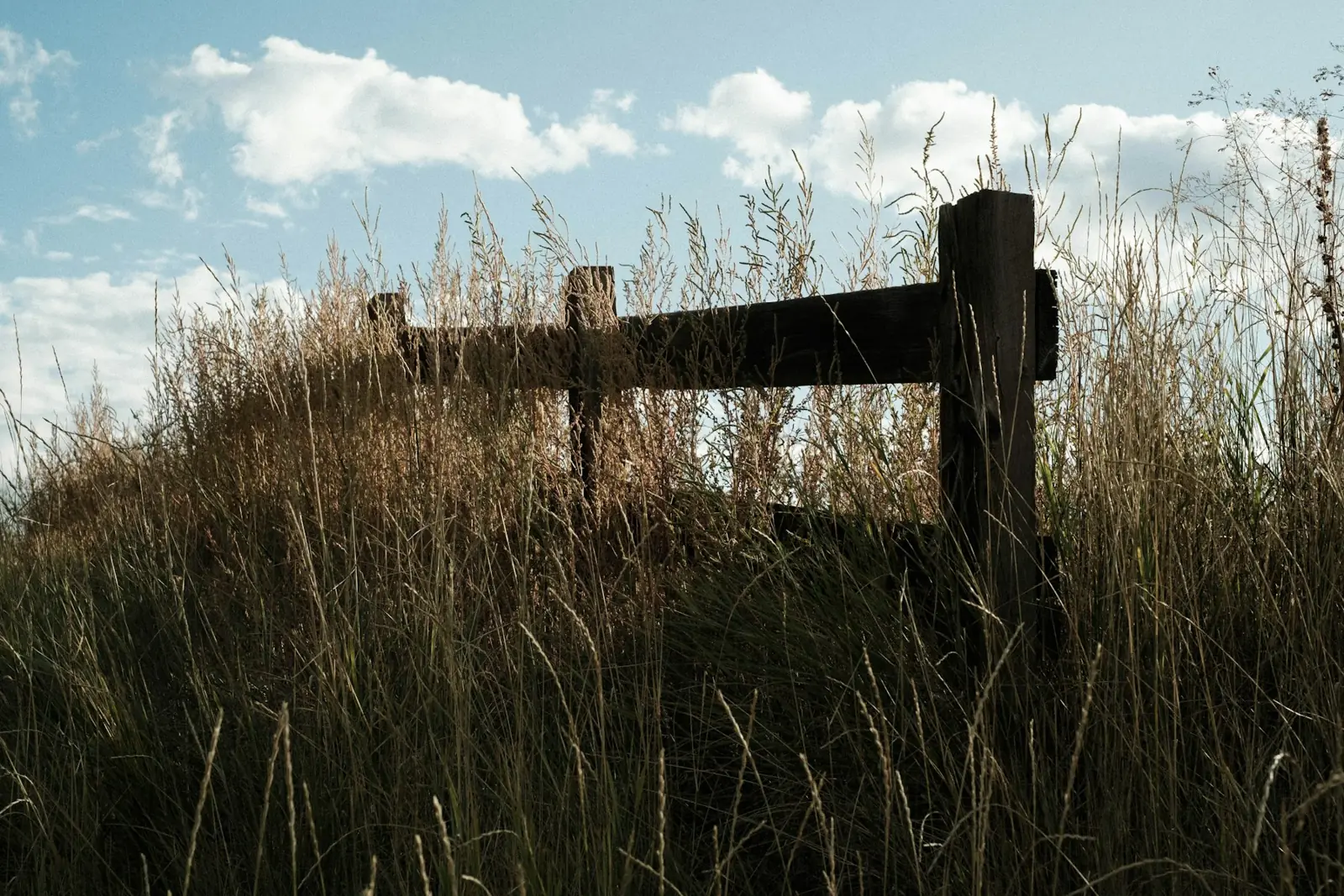
Walk out into the area you want cut and look at the thickest stems. If most of it is grass, weeds and stems thinner than your finger, you need bush hogging. If you're seeing saplings as thick as your thumb or wrist, cedars, privet or a wall of briars, you need brush cutting first.
What is bush hogging?
"Bush hog" is the brand name that stuck for a rotary cutter pulled behind a tractor. It's essentially a big, tough mower. It's the cheapest, fastest way to cut open fields, pastures and lots that get regular maintenance. Bush hogs are made for grass, weeds and light brush, and most will handle the odd small sapling.
Where they struggle: thick woody growth, slopes, ditches and wood lines. A tractor is top-heavy on hills, and a pull-behind mower can't reach into tight spots.
What is skid steer brush cutting?
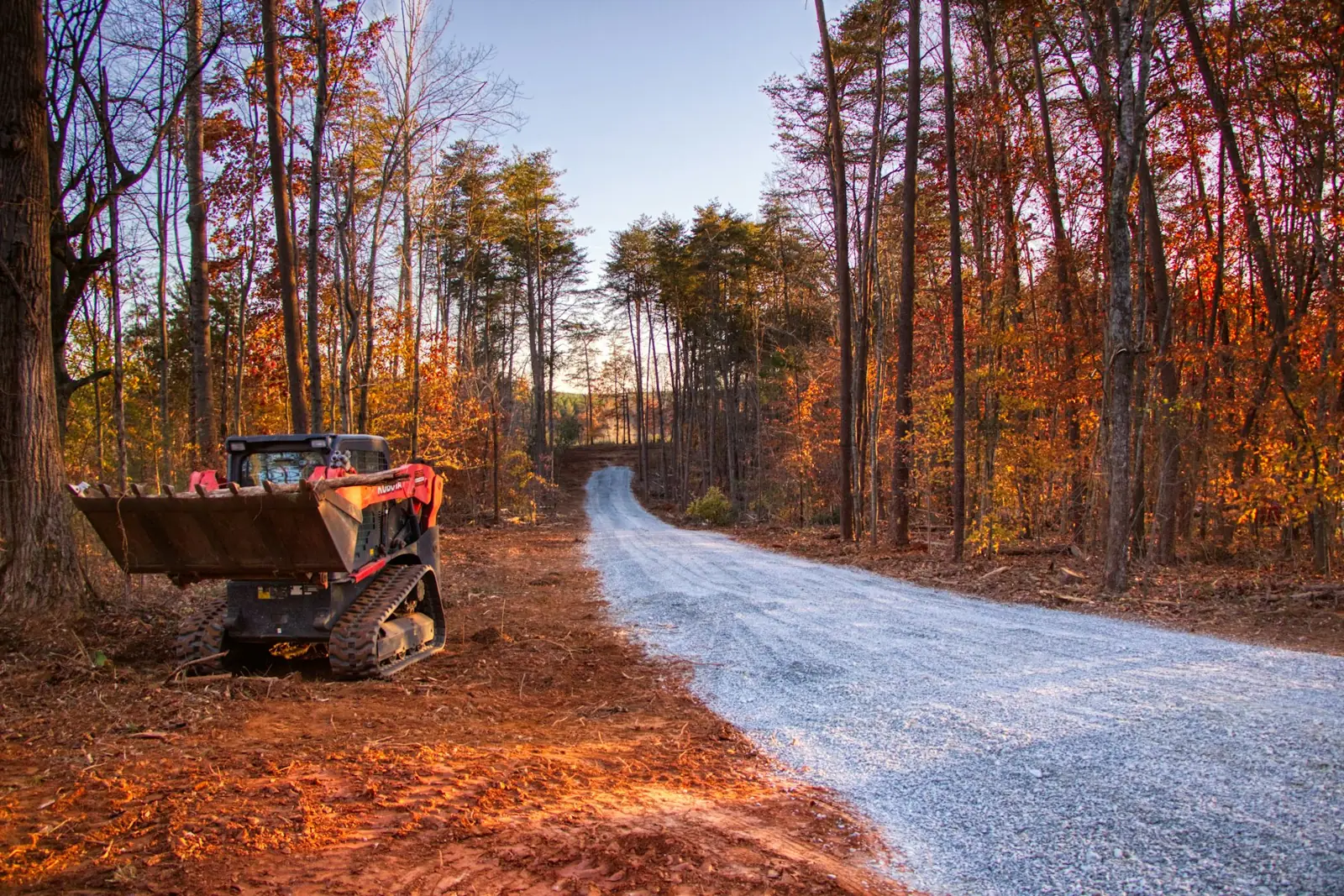
A skid steer brush cutter is a heavy-duty cutting head mounted on the front of a skid steer or compact track loader. It runs off the machine's high-flow hydraulics and is built to cut and shred woody material. Ours handles trees up to about 8 inches. Because the operator can see and steer the cutter directly, it can work along fence lines, into wood lines and on slopes where a tractor wouldn't be safe.
Side-by-side
| Bush hogging | Brush cutting | |
|---|---|---|
| Best for | Grass, weeds, light brush | Saplings, cedars, privet, briars, small trees |
| Max material | Light brush, small saplings | Trees up to about 8 in. |
| Slopes and wood lines | Limited | Much better (tracks) |
| Cost | Lower | Higher per hour, but does work a bush hog can't |
| How often | Maintenance, 2–4 times a year | Usually a one-time reclaim, then bush hog to maintain |
The usual plan: cut it once, then keep it mowed
For land that's gotten away from you, the most economical plan is almost always:
- One brush cutting pass to knock down the saplings, cedars and briars.
- Regular bush hogging afterward, a few times a year, to keep the regrowth from ever getting thick again.
Privet, sweetgum and many other species will resprout from the roots after cutting. That's normal. Mowing the sprouts while they're soft is cheap. Waiting five years and calling for heavy clearing again is not.
What about forestry mulching?
Forestry mulchers grind standing trees into fine mulch and can handle larger material than a brush cutter. They're excellent for heavy timber but cost more to run. For most of the overgrown fields, wood lines and lots we see in DeSoto, Tate and Marshall Counties, a heavy brush cutter gets the job done for less.
Ready to get your land back?
Free on-site estimates across DeSoto, Tate and Marshall Counties.
Need a hand?
Our services
Land Clearing
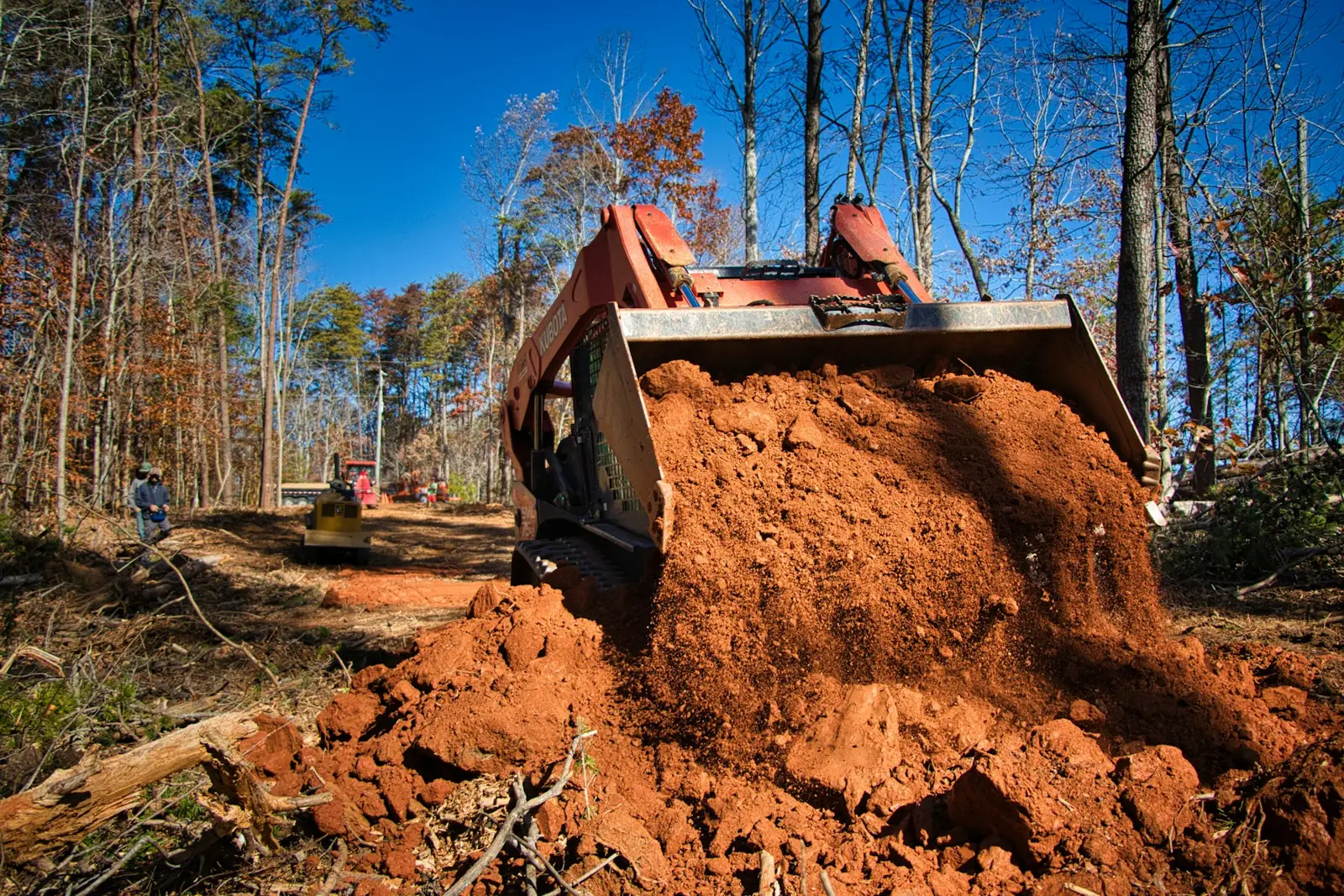
Overgrown acreage opened back up: brush, saplings, cedars and small trees cut down and cleaned up.
Learn moreBrush Cutting
Heavy-duty skid steer brush cutter for thick brush, vines and trees up to about 8 inches.
Learn more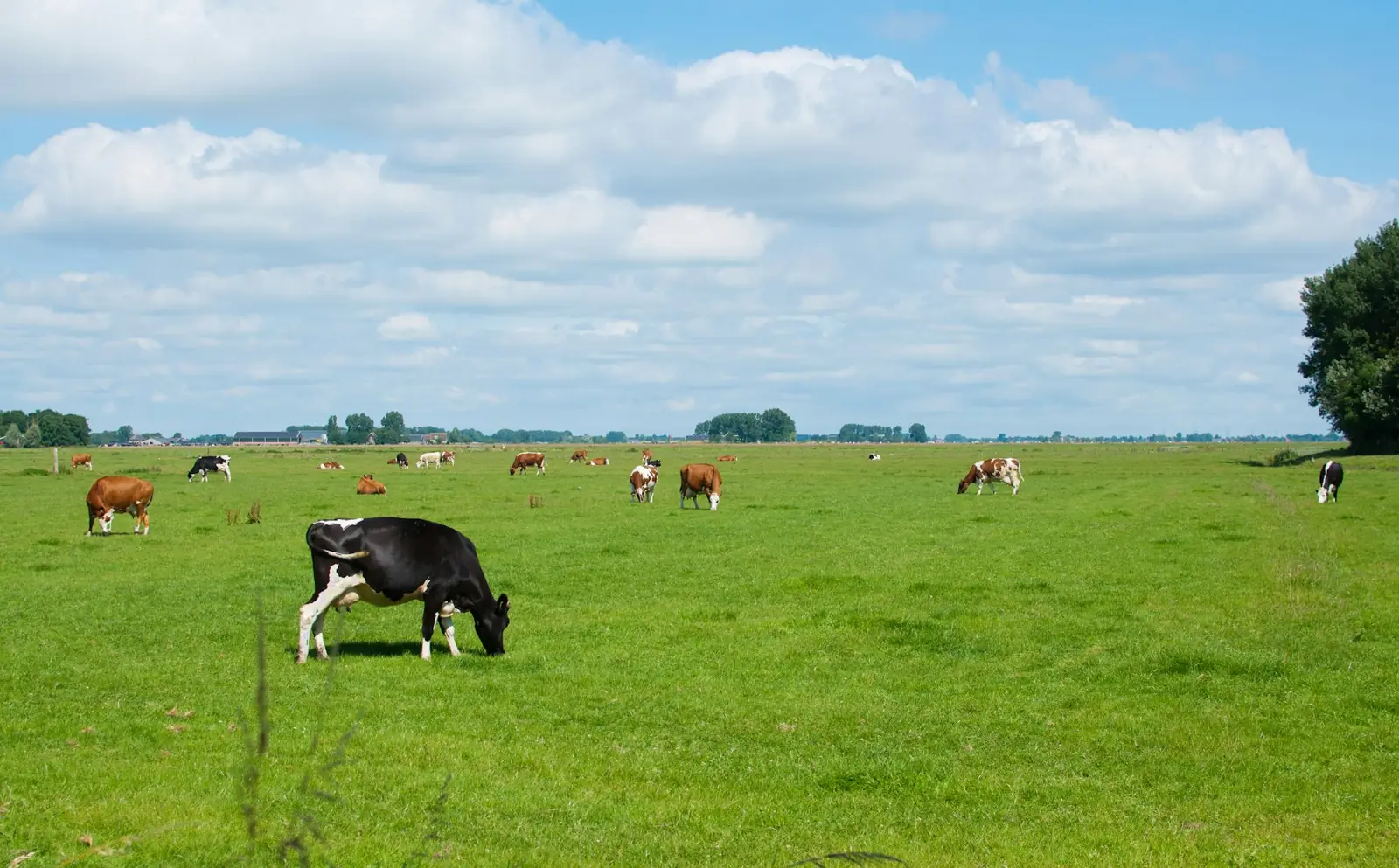
Bush Hogging
Fields, pastures and lots mowed back down, one time or on a schedule.
Learn moreFAQ
Common questions
Can a bush hog cut small trees?
Most can cut small saplings, but they struggle with anything woody and thick, and it's hard on the equipment. For saplings thicker than your thumb, cedars and dense briars, a skid steer brush cutter is the right tool.
Is brush cutting more expensive than bush hogging?
Per hour, yes. But on overgrown land it does work a bush hog can't, and trying to bush hog thick brush often costs more in time and still looks bad.
How long after brush cutting can I bush hog?
You can start bush hogging the regrowth the next growing season, or as soon as sprouts appear. Keeping them cut while they're soft is the key.
What's the difference between a brush cutter and forestry mulcher?
A forestry mulcher grinds larger trees into fine chips and costs more to run. A brush cutter cuts and shreds brush and small trees, which is all most overgrown land needs.
Free on-site estimates
Get your free estimate
Tell us a little about the property. We'll call you back, set up a time to walk it with you, and give you a written price before any work starts.
- No-pressure site visit
- Written price by the hour or by the job
- You mark what stays before we start
Got it — thank you!
We'll reach out shortly to set up a time. Need it sooner? Call or text (501) 418-5937.